
Understanding RAID Systems and Why They Fail
RAID stands for Redundant Array of Independent Disks. It combines several drives into one unit to improve performance, redundancy, or both. RAID 0 is best for speed. RAID 1 is good for redundancy. RAID 5 and RAID 10 offer a balance of protection and performance.
Despite their design, RAID drives are not immune to failure. Common causes include multiple drive failures, broken RAID controllers, wrong RAID settings, power surges, and failed rebuilds. In some cases, a single failed drive in a degraded array can lead to complete system failure. Knowing your RAID type and setup is essential when seeking professional data recovery services.
Our Safe and Secure RAID Recovery Process
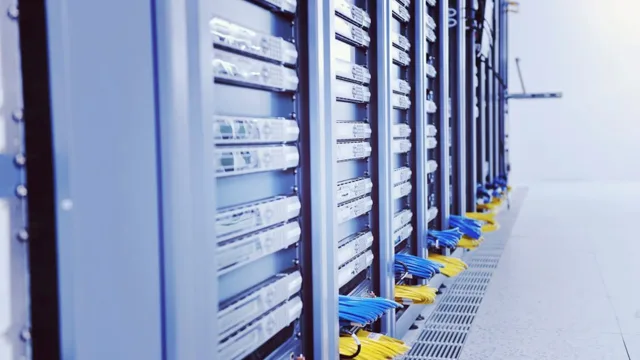
Every RAID recovery starts with detailed diagnostics and mapping of your RAID array. We document the block size, parity order, disk sequence, and configuration. Our engineers use specialized data recovery tools to identify the layout and virtually reconstruct the array. All work is done in a controlled lab using certified equipment. If you have a failed rebuild, corrupted files, or lost partitions, we can help. We find the problem, fix the issues, and recover your files using professional data recovery software.
Why We Always Clone Drives First
At Five Star, we never work directly on original RAID drives. Instead, we create a sector-by-sector clone of each disk, producing a perfect 1-to-1 image. This ensures your original data remains untouched and fully preserved.
By working only from cloned drives, we can safely rebuild, test, and analyze your RAID array without risking further damage. This is especially important for unstable or degraded disks, where even one more read could cause permanent data loss.
If a drive is physically damaged, we stabilize it in a Class 100 clean room and then attempt to image it safely. Once all clones are complete, we reconstruct the RAID using specialized tools — without ever touching the originals. Cloning is our first line of defense in protecting your data. It gives us the flexibility to recover files safely, even from complex or high-risk failures, while ensuring your drives remain exactly as they were when the issue occurred.
Types of RAID Levels We Recover
Our lab is equipped to recover all major RAID levels and combinations, including:
- RAID 0 (Striping) – No redundancy, high-speed, high-risk
- RAID 1 (Mirroring) – Redundant, but vulnerable to simultaneous failures
- RAID 5 (Parity) – Can survive one disk failure; risky during rebuild
- RAID 10 (Striped Mirrors) – Combines performance and redundancy
- RAID 6 – Dual parity, survives two drive failures
- RAID 50, RAID 60 – Nested enterprise arrays
- RAID 2, RAID 3, RAID 6, RAID 50, and custom hybrid RAID types
Even when vendors use proprietary controllers or software-defined RAID, we can often reverse-engineer the structure. Our team has worked with thousands of variations, including legacy RAID setups on aging systems.
A Closer Look at Common RAID Levels
RAID 0 (Striping)
Splits data evenly across two or more drives to maximize speed. No redundancy — if one drive fails, the system loses all data. Recovery is challenging if more than one disk has corruption or physical damage.
RAID 1 (Mirroring)
Duplicates data across two drives, offering strong protection against single-drive failure. If someone attempts an incorrect rebuild or both drives experience issues, recovery is still often possible.
RAID 5 (Striping with Parity)
Balances speed, redundancy, and storage efficiency. If a single drive fails, the system can rebuild — but if a second drive fails during that rebuild, data loss occurs. One of the most common configurations in small to medium-sized businesses.
RAID 6 (Dual Parity)
Survives the failure of two drives. However, rebuild time is longer and more sensitive to further degradation. Recovery often involves detailed parity examination and controller-level diagnostics.
RAID 10 (1+0)
Mirrors data across pairs of striped drives — combining RAID 0 and RAID 1 benefits. Commonly used in video editing and database servers for both performance and redundancy.
RAID 50 and RAID 60
Nested RAID levels combining striping and distributed parity across multiple sub-arrays. Used in enterprise storage where redundancy and performance must scale. Experts should always handle recovery from these configurations.
Common RAID Data Loss Scenarios
RAID systems can fail for many reasons. Common causes of lost data include:
- Multiple disk failures or degraded arrays
- Power loss or electrical surges
- Failed rebuilds or incorrect RAID level reconstructions
- Misconfigured RAID type after hardware swaps
- Bad sectors or firmware issues
- File corruption or accidental deletion
- Outdated or failed RAID controller firmware
In non-redundant systems like RAID 0, even a single disk issue can result in total data loss. In parity-based arrays like RAID 5, failure during rebuild can be catastrophic.
How RAID Rebuilds Can Go Wrong
Trying to fix a broken RAID array without expert help is a common reason for losing data forever. If someone swaps the wrong disk or the rebuild miscalculates parity, the system can instantly overwrite data. We've seen rebuilds destroy good data because of mismatched configurations or improper controller behavior.
Even powerful software tools can't undo a corrupted rebuild. That's why we always image all disks before doing anything else — preserving every byte before rebuilding from clones.

What We Can Recover from a RAID System
We've performed RAID drive data recovery on thousands of systems across virtually every setup. Common recoveries include:
- Virtual machines, database files, and backups
- Email servers and Exchange/Outlook files
- Raw image and video libraries
- Corrupted or inaccessible file systems
- Accidentally deleted or formatted volumes
- Critical documents and user files from failed RAID drives
- Enterprise datasets, spreadsheets, ProRes video, CAD files, and more
Our recovery process handles high-volume data structures, foreign file systems, and partially overwritten drives. This allows us to reconstruct folders, restore file names, and retrieve file trees whenever possible.
Supported RAID Configurations and Platforms
Our RAID data recovery solutions support a wide range of platforms, including:
- Windows, Linux, and macOS RAID
- NAS/SAN devices: Synology, QNAP, Drobo, Buffalo, and more
- Server-grade arrays and custom hardware
- Hardware/software RAID controllers (LSI, Dell PERC, Adaptec, etc.)
- Software-defined RAID, like Microsoft Storage Spaces
- Nested and hybrid RAID levels
If you are not sure about your RAID setup, our team can find and rebuild the RAID array. We use high-quality forensic tools for this.
Emergency & Expedited RAID Recovery Services
RAID failures require urgent attention, especially where downtime equals lost revenue. We offer emergency RAID recovery services with prioritized diagnostics and 24/7 lab access for critical situations. MSPs, IT departments, and disaster recovery firms trust us. They rely on us as the last option when in-house efforts do not work. Our RAID 0 and RAID 10 recovery options include proactive cloning, rebuilding, and quick response times.
- Expedited Service ($200 per drive) – Case moves to the top of our recovery list during business hours. Fastest possible turnaround for urgent but non-emergency cases.
- Expedited Plus Service ($500 per drive) – Our highest-priority tier. Engineers work 24/7, including weekends and holidays, until the recovery is complete. For mission-critical data outages.
These fees are in addition to standard flat-rate recovery fees and are non-refundable, regardless of outcome.
What Sets Our Engineers Apart
At the heart of our RAID recovery success is our engineering team. Each specialist at Five Star is trained in disk architecture, file system repair, and binary analysis. We don't rely on automated tools alone — human experts carefully handle each case.
Many of our engineers have backgrounds in forensic computing and electronics. This helps us solve complex problems, such as controller-level failures, encrypted file systems, and undocumented RAID formats.
Can You Recover Data After a Failed RAID Rebuild?
A failed RAID rebuild doesn't always mean you will lose your data forever, but it can make recovery much harder. If you try to rebuild the wrong RAID setup or drive, it can overwrite parity, corrupt partitions, or damage the file structure.
We've recovered many arrays after failed rebuilds by using cloned drives to reverse-engineer the damage. If your system got worse after a rebuild attempt, there's still hope — call us before doing anything else.
Why Choose Five Star for RAID Recovery
- We never recover from original drives — every case begins by creating exact 1-to-1 clones to preserve the integrity of your data.
- Our "No-Recovery, No-Charge" policy ensures you only pay if we're able to successfully retrieve your files.
- Every quote we provide is clear, honest, and upfront — with no hidden charges or surprise fees during the recovery process.
- Physically damaged drives are handled in our certified Class 100 Clean Room to protect sensitive internal components during repair.
- Our engineers are highly trained in advanced RAID configurations, including complex hybrid and custom setups.
- We offer both standard and emergency turnaround options, so you get your critical data back exactly when you need it.
If your RAID array has failed, don't risk making it worse. Let our certified RAID recovery engineers handle it safely, securely, and professionally.
- Free diagnostic — full array mapping included
- Flat-rate per drive — no hidden fees
- No Data, No Charge (most cases)
- Free nationwide shipping both ways